 February 3, 2026
In every region of the world, your customers now expect to move smoothly between channels—browsing on a laptop, checking reviews on a phone, and then paying in a store or in an app—yet you may still be juggling separate systems that raise costs, frustrate customers, and make reconciliation and fraud control harder than they should be; this is where modern omnichannel payment processing helps you unify the experience, cut complexity, and build a payment foundation that can grow with your business.
Understanding Omnichannel Payments in Context
What Are Omnichannel Payments?
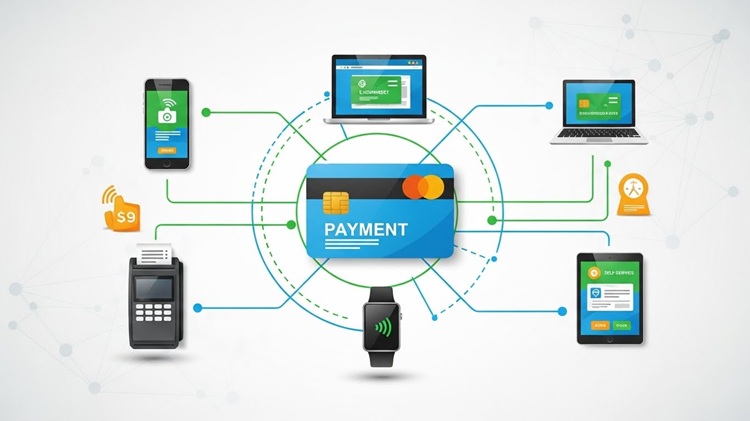
Omnichannel payments bring your payment experiences together so customers can pay the same way, no matter where they encounter your brand. This kind of unified view is described in more detail in this omnichannel payments guide. Instead of treating your website, app, marketplace, and physical locations as separate islands, connect them through a single payment backbone. A customer might start a purchase online, finish it in-store, and manage a refund in your app, while you still see that as one relationship instead of three unrelated transactions.
Omnichannel vs. Multichannel Payments
With multichannel payments, you accept cards, wallets, and local payment methods across different channels, but each channel runs on its own stack. Online checkout uses one gateway, your in-store terminals use another, and mobile may sit on a third platform. You can still take payments, but you lack a single view of each customer, and your finance team ends up stitching together reports. In a true omnichannel approach, channels share a common core platform or are tightly integrated, so methods, risk checks, and customer data remain consistent.
Why Omnichannel Payments Matter Now
Customer behavior is already digital-first in many markets, and expectations keep rising—Independent industry research, such as this overview of omnichannel payments, points to the same trend. Shoppers want to see familiar digital wallets, card brands, and local payment methods, whether they are paying on a site, in an app, or at the point of sale. At the same time, you need to control fraud, meet regulatory requirements, and keep processing costs under control. Omnichannel payments help you meet those demands simultaneously, improving approval rates and making settlement, chargebacks, and reporting easier to manage.
Core Omnichannel Payment Components
Key Channels and Touchpoints
For most businesses, the core channels in an omnichannel stack are online checkout, in-store point-of-sale, and mobile. Online, you may use cards, bank transfers, and popular digital wallets. In-store, you combine card terminals, QR codes, and contactless options so customers can tap or scan rather than swipe or sign. On mobile, you extend the same methods into your app or mobile web, often with one-tap checkout using securely stored details, all linked through the same orchestration layer.
Digital Wallets and Omnichannel
Digital wallets are now one of the strongest pillars of customer payment preference, and research reports show how quickly they are reshaping global behavior. A wallet lets your customers store cards or bank accounts, then pay across devices with a tap, scan, or click. The real power comes when wallets are available in every channel: the same wallet a customer uses in your app can also be used at your in-store terminal or in a browser checkout, making payments feel faster, more familiar, and more secure.
Data, Security, and Tokenization
Security, data quality, and customer trust are the foundation of any serious omnichannel payment stack. You rely on tokenization to replace sensitive card numbers with non-sensitive tokens that can safely move between channels. You encrypt payment data in transit and at rest so that even if information is intercepted, it remains unreadable. You follow global data protection and payment security standards while implementing centralized fraud checks that work whether a customer is paying online or at a physical terminal.
Value of Modern Omnichannel Payment Processing
Customer Experience and Conversion
From your customer’s point of view, the best payment experience is the one they barely notice. If you offer the same familiar methods across all channels, let people reuse stored details safely, and keep the number of steps low, you make it easier for them to complete a purchase. Consistency builds trust: customers see the same amounts, currencies, and brands at checkout, whether they are on a phone or standing at a counter, which reduces abandonment and supports repeat purchases.
Operational Efficiency and Risk Control
Running separate payment systems for each channel often results in duplicate fees, mismatched reports, and manual work for your finance and risk teams. With modern omnichannel payment processing, you consolidate authorization data, settlement details, and chargeback information into a single view. That speeds up reconciliation and lets you see true payment performance by market, method, and channel. You can also apply consistent fraud and risk rules across your business instead of tuning each channel separately.
Data Insights, Loyalty, Personalization
Because omnichannel payments connect online and offline behavior, you gain a much clearer view of your customers. You can see which payment methods they prefer, how often they buy, and which channels they move between. That insight makes it easier to design loyalty programs that work everywhere, rather than being tied to one card or app. You can tailor offers to payment behavior, encourage customers toward lower-cost methods, and improve checkout design based on real-world data.
Implementing Omnichannel Payments Across Channels
Integrating Legacy Systems
Very few businesses have the luxury of starting from a blank slate. You likely already have point-of-sale hardware, e-commerce platforms, and billing systems in place. The practical path to omnichannel is to layer a payment orchestration platform on top of what you have and then integrate each channel step by step. As you do this, you standardize how payment methods are added, how tokens are stored, and how reporting flows back to your finance team, so you can modernize without disrupting daily operations.
Security, Compliance, Governance
As you connect more channels to the same payment backbone, governance becomes just as important as technology. You need clear ownership for payment strategy, risk tolerance, and compliance. That includes deciding which teams can add new payment methods, how changes to fraud rules are tested, and how you monitor performance over time. With a structured approach, you can move faster with new payment options and customer experiences while respecting local regulations and internal controls.
Scalability and Local Payment Methods
If you operate across borders or plan to expand, local payment methods play a big role in your success. Customers across markets rely on other wallets, bank schemes, and alternative payment methods, and many will not complete a purchase if their preferred option is unavailable. A strong omnichannel setup lets you plug in those local methods once and deploy them across multiple channels, from web to in-store, while routing each transaction through the most reliable payment partner for that market.
Choosing the Right Provider
In practice, you will not build all of this from scratch. You will compare providers that help you accept payments online and in person, such as Stripe or PayPal, alongside more specialized payment orchestration platforms including Antom, which unifies multiple payment methods and channels through a single integration. These platforms are especially useful when exploring how to send money to someone without a bank account, as they often support alternative payment options like digital wallets, cash pickup, or local transfer methods.
Future Trends Shaping Omnichannel Payments
Wallets, Super Apps, Services
Digital wallets are evolving into much more than a digital version of a card. They now combine payments with loyalty programs, transit passes, event tickets, and even financing options. In some regions, super apps bring these capabilities together in a single interface that customers use every day. As these experiences mature, you will need an omnichannel payment stack that can recognize wallet-based customers across channels and connect your offers, rewards, and checkout flows coherently.
Real-Time Data and Fraud
As payment volumes rise, real-time data and smarter fraud detection become essential. You need to see approval rates, declines, and chargeback patterns quickly enough to act on them. Machine learning tools help you spot unusual behavior without blocking good customers, and real-time dashboards let your teams experiment with changes and measure impact in days, not months. An omnichannel setup amplifies these benefits by enabling every channel to feed into the same risk view.
New Rails and Regulation
New payment rails instant bank transfers, QR systems, and other alternative methods—are emerging alongside stricter rules on data privacy and strong customer authentication. To keep up, you need a flexible architecture that can plug in new methods without rewriting your checkout each time a rule or regulation changes. When your channels are wired into a unified orchestration layer, adapting often becomes a configuration change instead of a full rebuild.
Conclusion
Omnichannel payments are no longer a future ambition; they are how you keep pace with customers who move freely between online, in-store, and mobile experiences. By shifting from fragmented systems to modern omnichannel payment processing, you reduce friction, gain clearer data, and give your teams more control over cost, risk, and innovation. As you refine your strategy, draw on trusted research from Nextcurious, map the payment journeys that matter most to your customers, and evaluate providers that can bring everything together under one roof. When you get this right, paying your business becomes simple, familiar, and secure no matter where your customers are or how they choose to buy.