 August 9, 2025
Telematics-enabled fuel cards allow businesses to build optimized routes and ensure accountability. Fleet oversight continues to evolve as companies adopt smarter tools to manage costs, improve compliance, and streamline daily operations. These technologies provide real-time visibility into driver behavior, transaction history, and vehicle performance. In one success story, Phillips 66 leveraged these tools to enhance fleet oversight and scale operations efficiently, as detailed on https://www.phillips66fleet.com/. Together, such solutions empower growing businesses to make data-driven decisions that drive measurable impact.
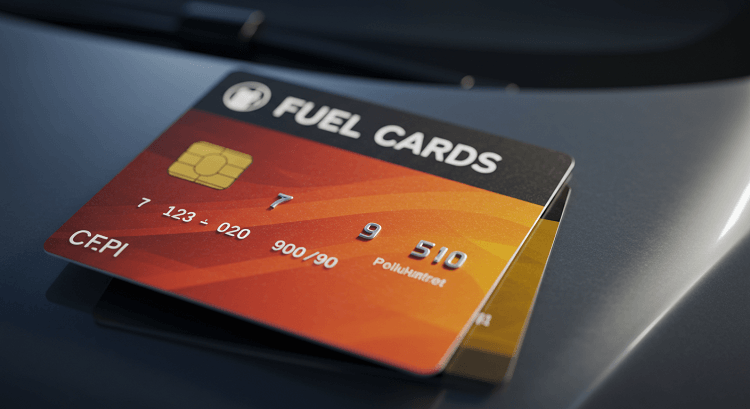
Navigating the complexities of growth in the logistics sector demands tools that streamline operations, ensure efficiency, and manage spending. Fuel cards have emerged as a vital solution for businesses looking to scale without losing control over key operational costs. With strategic payment systems tailored to fleet needs, logistics companies are unlocking powerful benefits through smarter tracking, security, and reporting functionality.
Driving Efficiency with Fuel Card Payment Solutions
One of the biggest advantages fuel cards bring to growing logistics firms is centralized expense control. With every fuel transaction recorded digitally, businesses can eliminate the reliance on manual receipts and employee-submitted reimbursements. This simplifies budgeting, improves expense tracking, and reduces administrative time tied up in processing paperwork.
Fleet cards also help logistics companies streamline reimbursement processes. Rather than waiting weeks for expense reports to be filed, funds are allocated in real-time, ensuring faster financial turnover. This is especially critical for growing teams, where dozens or even hundreds of drivers operate across broad geographies.
Real-Time Tracking and Location-Based Insights
Fuel card integration with GPS and telematics allows logistics companies to monitor driver behavior and vehicle usage with near real-time precision. This level of monitoring ensures that fuel usage aligns with business objectives while providing deeper visibility into route efficiency, unauthorized stops, and idling time.
Unlocking Savings Through Controlled Usage and Discounts
Scalability comes with increasing demand on fuel spend. Fuel cards help businesses limit overspending by applying daily, weekly, or monthly caps on transactions. Managers can designate usage limits for specific vehicles or drivers, allowing tighter control of the overall fuel budget. Restrictions can also be placed on fuel types or times of purchase, creating additional layers of oversight.
Most major fuel card programs offer tiered discounts based on volume. For companies ramping up vehicle count, per-gallon savings can quickly accumulate into significant cost reductions. These rebates are especially impactful when fuel prices spike, protecting margins during volatile periods.
Enhancing Security in a Distributed Driver Network
Security is a growing concern for logistics firms with mobile and distributed teams. Fuel cards equipped with chip-and-PIN technology, driver ID requirements, and mobile authentication offer layers of protection that traditional reimbursement methods cannot match. Fraudulent transactions can be flagged and addressed immediately using real-time alerts triggered by unauthorized purchases, geographic inconsistencies, or exceeded spending limits.
By reducing fuel fraud, businesses protect both their operational integrity and driver accountability. Should a card be lost or compromised, instant deactivation and replacement options prevent further damage and ensure business continuity.
Simplified Access and Consistent Fuel Availability
A key challenge for expanding fleets is ensuring drivers have access to fuel wherever the job takes them. National fuel card networks eliminate this concern by offering broad station compatibility, many cards are accepted at thousands of locations nationwide, including rural and off-route areas.
This expansive access reduces driver downtime and increases efficiency by eliminating time spent searching for approved stations. Logistics firms operating across multiple states especially benefit from consistent fuel access, which supports faster delivery cycles and improved client satisfaction.
Streamlining Expense Reporting and Fleet Budgeting
Modern fuel card systems offer robust dashboards and analytics for transaction-level reporting. Businesses can drill into individual driver usage, compare station costs, and track weekly trends to forecast fuel needs more accurately. The insights pulled from these reports support more strategic budgeting and identify areas where savings can be reclaimed.
Custom reporting capabilities allow managers to filter by fuel type, vehicle ID, time of day, and purchase location. These filters create powerful snapshots of how fuel is consumed across the fleet, helping pinpoint inefficiencies or training needs.
Control and Convenience for Growing Teams
As logistics operations grow, decentralization can create challenges in maintaining consistency across teams. Fuel cards provide structure by enforcing universal usage policies and reducing the need for cash or personal credit card reimbursements. This fosters a seamless driver experience while supporting centralized financial control.
Moreover, onboarding new drivers becomes easier with pre-set purchase permissions and training on fuel card use. New team members quickly adapt to spending procedures, reducing compliance errors and aligning daily operations with broader company policies.
Flexible Solutions That Scale with Business Needs
No two logistics companies grow in exactly the same way. Some expand via new regional hubs; others scale by adding specialized delivery services. Fuel card providers now offer tiered or customizable solutions to match different business stages and goals.
Programs may include flexible billing cycles, EV station access, maintenance expense options, and multi-vehicle reporting features. This adaptability means fuel card systems can evolve with a company’s unique growth trajectory, delivering consistent value at every stage.
Final Word: Building Smarter Fleets with Better Tools
Fuel cards are no longer just a convenience, they’re a cornerstone of modern fleet management. Their integration into growing logistics companies helps align spending with strategy, protect against fraud, enhance efficiency, and simplify operations. With capabilities ranging from real-time tracking to savings automation, fuel cards offer a competitive edge for businesses navigating the next phase of expansion.